
Copywriting for Contractors: Seven Questions Before the First Draft
Seven interview questions that turn trade knowledge into a useful website writing brief.

Good copywriting for contractors begins with a useful interview. Before asking a writer for a polished headline, explain the jobs you want, the questions customers ask and the facts your team can verify. That conversation gives the draft something specific to say.
For a Tampa Bay contractor buying website content, a writing brief is a practical way to control scope. It captures the business knowledge behind the words. The full website project brief still covers design, integrations and delivery; this brief concentrates on what the writer needs to understand.
Seven questions for a contractor copywriting interview
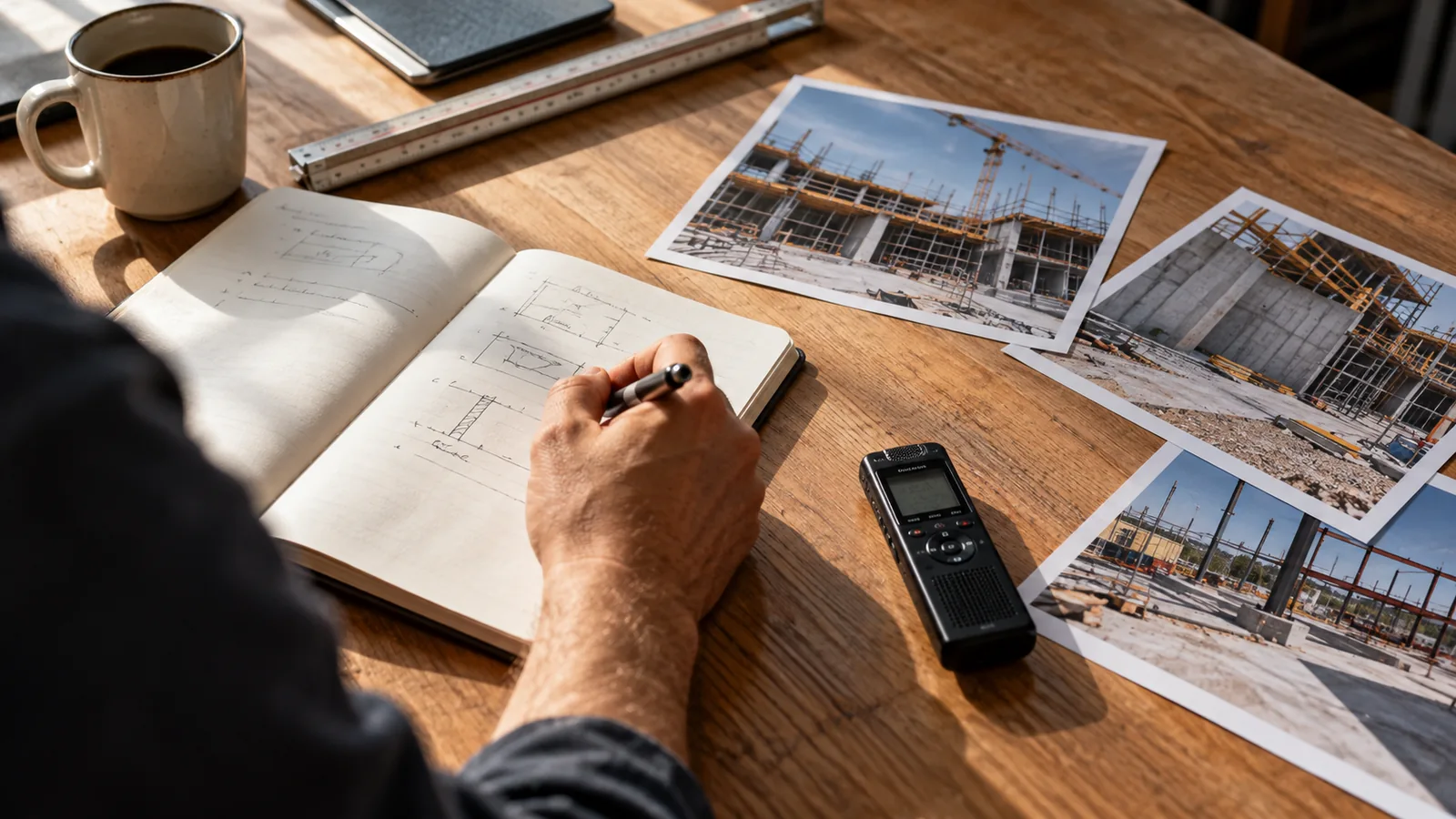
1. Which work should the website attract?
Name the service and the kind of project that fits. “Renovation” leaves the writer guessing about room types, project scale and responsibilities. Describe the work the company accepts now, then separate future ambitions from current services.
2. Who makes the first contact?
A homeowner planning a kitchen and a property manager gathering bid information need different explanations. Identify the person reading, their immediate decision and the details they already have. Avoid treating every visitor as ready to book.
3. What do you explain on nearly every call?
Ask the person answering inquiries for recurring questions. Preparation, service limits and scheduling often need clearer wording. Use patterns from permitted business records, with customer details removed, rather than copying private messages into the brief.
4. What does the first step actually involve?
Explain whether a form asks for a callback, a scope review or an appointment request. Identify who replies and what must happen before a visit is confirmed. The writer can then describe the action accurately.
Turn copywriting for contractors into an approved fact sheet
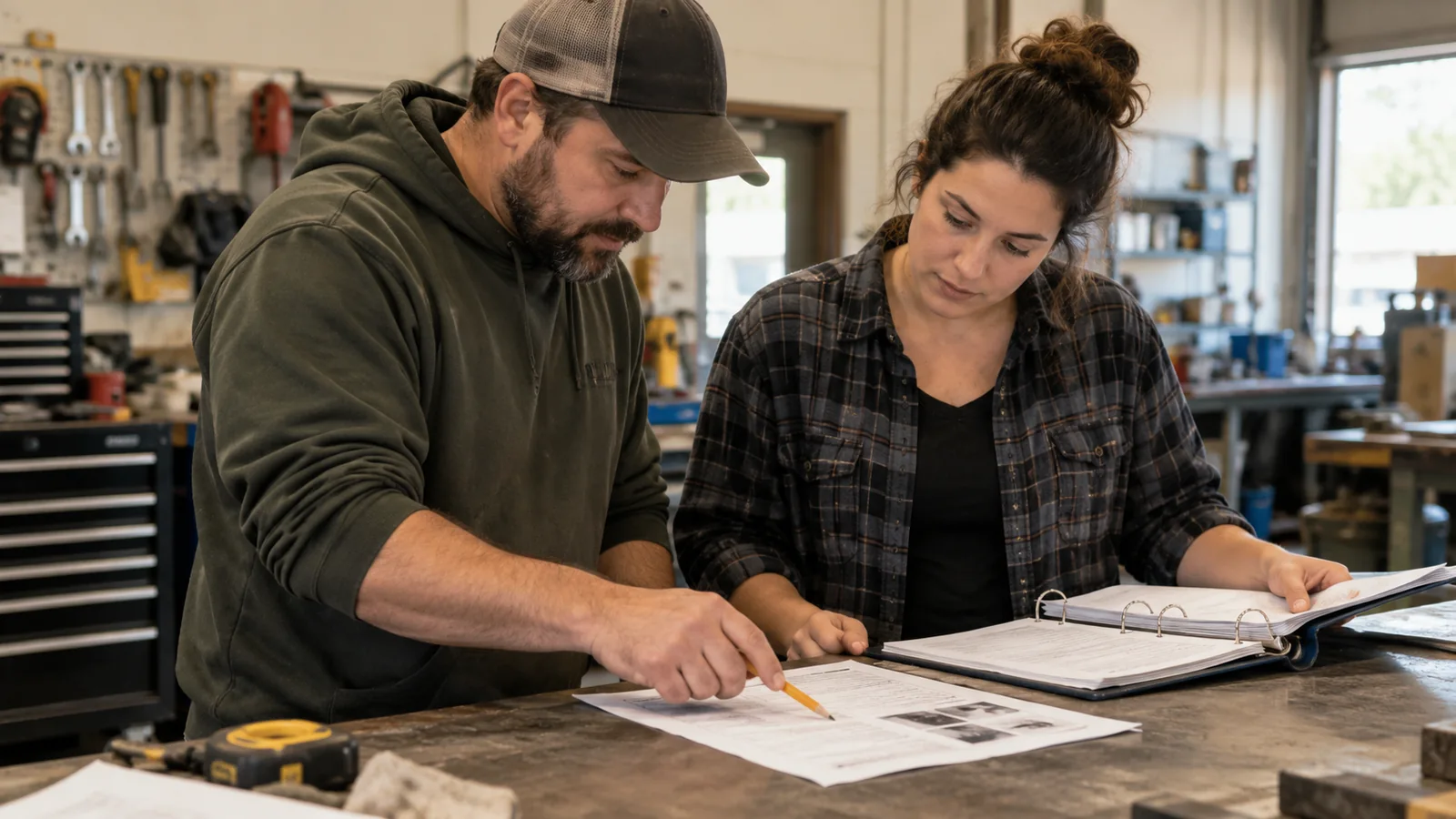
5. Which claims have evidence?
Pair each proposed claim with its source and an approver. An owner can confirm a service boundary. A project manager can explain the company’s role in a recorded job. A credential needs a current record. Remove any claim nobody can support.
6. What should the business sound like?
Bring a few sentences your team would comfortably say to a customer. Mark phrases that feel too formal, boastful or vague. The purpose is a consistent voice, not an imitation of a competitor’s personality.
7. Who can approve the draft?
Choose one person to consolidate comments and name the specialists who must check technical facts. Separate a factual correction from a preference about wording. That makes revisions easier to resolve without losing the agreed page purpose.
| Brief field | Useful answer |
|---|---|
| Service | The work offered, its limits and the customer decision. |
| Evidence | An approved record and the person responsible for its accuracy. |
| Voice | Language the team would naturally use in a real conversation. |
| Action | What the reader can request and how the business reviews it. |
After the interview, ask the writer to summarize the page purpose in one sentence. If the owner and office team interpret it differently, settle that difference before drafting. A clear brief prevents a design review from becoming an argument about the business itself.
For copywriting for contractors, the handoff should include the interview summary, approved facts, draft pages, metadata and a list of unresolved questions. Read the contractor website project brief for the wider build requirements, and the contractor copywriting guide for the principles behind the finished wording.
Need help turning business knowledge into usable website content? Send RenForge your current pages, service list and writing priorities. We can discuss the research, drafting and approval work before agreeing on scope.