Contractor Website Copywriting: Make the Next Step Feel Clear
Improve contractor website copywriting with clear service promises, relevant proof and useful calls to action. See examples you can adapt to your real business.

Contractor website copywriting covers the words on your homepage, service pages, project stories and inquiry forms. It explains the work you accept, supports claims with evidence and tells a prospective customer what happens after contact. The writing should help the right reader judge project fit before making an inquiry.
The useful persuasive tools are practical: name the customer’s situation, explain the work, support claims with real evidence and make the next step predictable. You can create confidence without promising results you cannot control.
The examples below are writing examples, not claims about an actual contractor. Replace every detail with information your business can support before publishing.
Make contractor website copywriting specific to the job
A visitor should not have to translate a broad slogan into a service. “Quality solutions for every need” could describe almost any company. A heading about kitchen remodeling, roof repairs or commercial HVAC maintenance gives the reader something concrete to assess.
Start with three facts: the work you do, the customers it suits and the area you actually cover. Then add a useful distinction, such as how you plan occupied-home work or what information you need before an estimate visit.
Compare these examples:
- Broad: “Your trusted partner for exceptional construction.”
- More useful: “Kitchen and bathroom remodeling for Tampa homeowners planning their next renovation.”
- Supporting line: “Share your rooms, goals and preferred timing so we can discuss whether the project fits our scope.”
The second version helps a particular reader recognize their situation. It also leaves room for an honest discussion of scope. Use Tampa only if that contractor actually serves Tampa; a place name is not a substitute for local knowledge or coverage.
Google recommends clear, accurate titles and useful content. Write the page around the service and the questions behind it. You do not need to repeat the same keyword in every heading or turn nearby cities into a string of near-identical paragraphs.
For the full website brief, see our guide to choosing contractor web design services. Good copy starts earlier than the final design review.
Build confidence with evidence and clear boundaries

Reassurance is strongest when a reader can inspect it. Pair a project photo with a short explanation of the work, the constraint and your role. An attractive image with no context does less to answer a buying question.
Use customer feedback accurately and with appropriate permission. Keep license and credential details current. If you mention a warranty, explain who provides it and link to the applicable terms. Avoid turning a limited promise into an unlimited one.
A service page can also reduce uncertainty by answering ordinary questions:
- What work does the service include, and what sits outside it?
- What information helps the team assess an enquiry?
- Does an estimate require a visit or another assessment?
- Who coordinates access, approvals and the next conversation?
- What can affect timing or the final scope?
For example, an HVAC contractor might explain the information needed to discuss a replacement appointment. A roofer might distinguish a repair request from a replacement enquiry. The copy should describe the actual process without diagnosing a problem from a website form.
Nielsen Norman Group’s tone-of-voice research found that tone affects how people perceive a brand. That supports reviewing how your copy sounds; it does not prove that a particular phrase will increase your Google ranking or conversion rate.
Read the draft aloud. Replace claims such as “unmatched excellence” with a fact or a useful explanation. Keep the tone professional and approachable. Let readers understand why the information matters to their decision.
Write calls to action that explain what happens next
A call to action asks someone to spend time and share information. Make that exchange understandable. The label, nearby explanation and form should describe the same next step.
Choose wording that fits the real process:
- For an early renovation conversation: “Discuss your remodeling project.” Ask for the property location, project type and preferred timing.
- For an estimate visit: “Request an estimate appointment.” Explain that the team will review availability before confirming.
- For a website project: “Share your website goals.” Ask what needs attention and how the business handles enquiries today.
Avoid “Book now” if the form only sends a request. Avoid “Get an instant quote” if someone must review the project first. Clear expectations are part of useful persuasion: the visitor knows what they are choosing.
Keep field labels visible and understandable. The W3C’s forms tutorial recommends labels that identify the controls. Supporting text can explain why a detail is needed, but it should not replace the label.
Review the draft with a colleague who knows the sales process. Ask them to name the service, the intended customer and the next step after one read. Any disagreement is a useful place to edit.
Once the copy is live, compare relevant Search Console queries and landing-page visits with completed, useful enquiries. A higher click count alone does not tell you whether the right people understood the offer. Keep notes on what changed and allow enough data before judging a variation.
Before launch, test the complete contractor website enquiry path. If the wording or structure needs work, explore RenForge’s website and content services or send the page you want to make clearer.
Sources and photo credits
- Google Search Central: SEO Starter Guide
- Nielsen Norman Group: The Impact of Tone of Voice on Users’ Brand Perception
- W3C Web Accessibility Initiative: Labeling Controls
Stock photographs illustrate the topic; they do not depict RenForge client projects or results. Photos used under the Unsplash License:
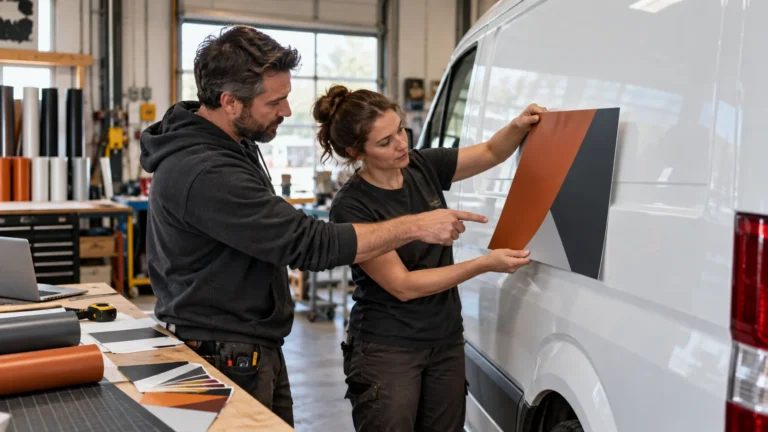
- Two people discussing a project beside an open laptop — The Connected Narrative / Unsplash.
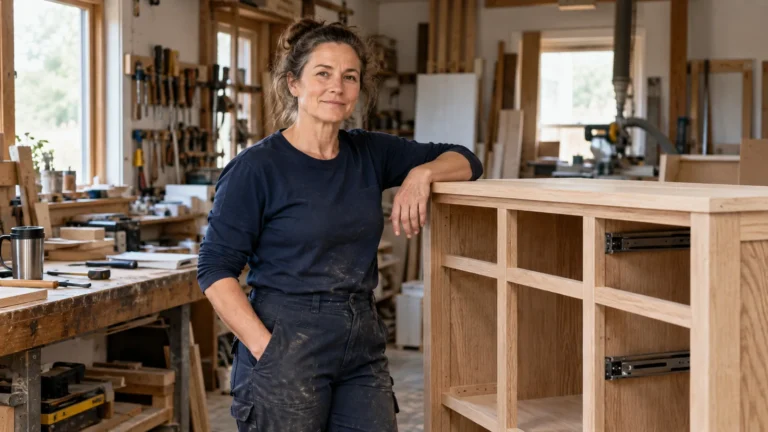
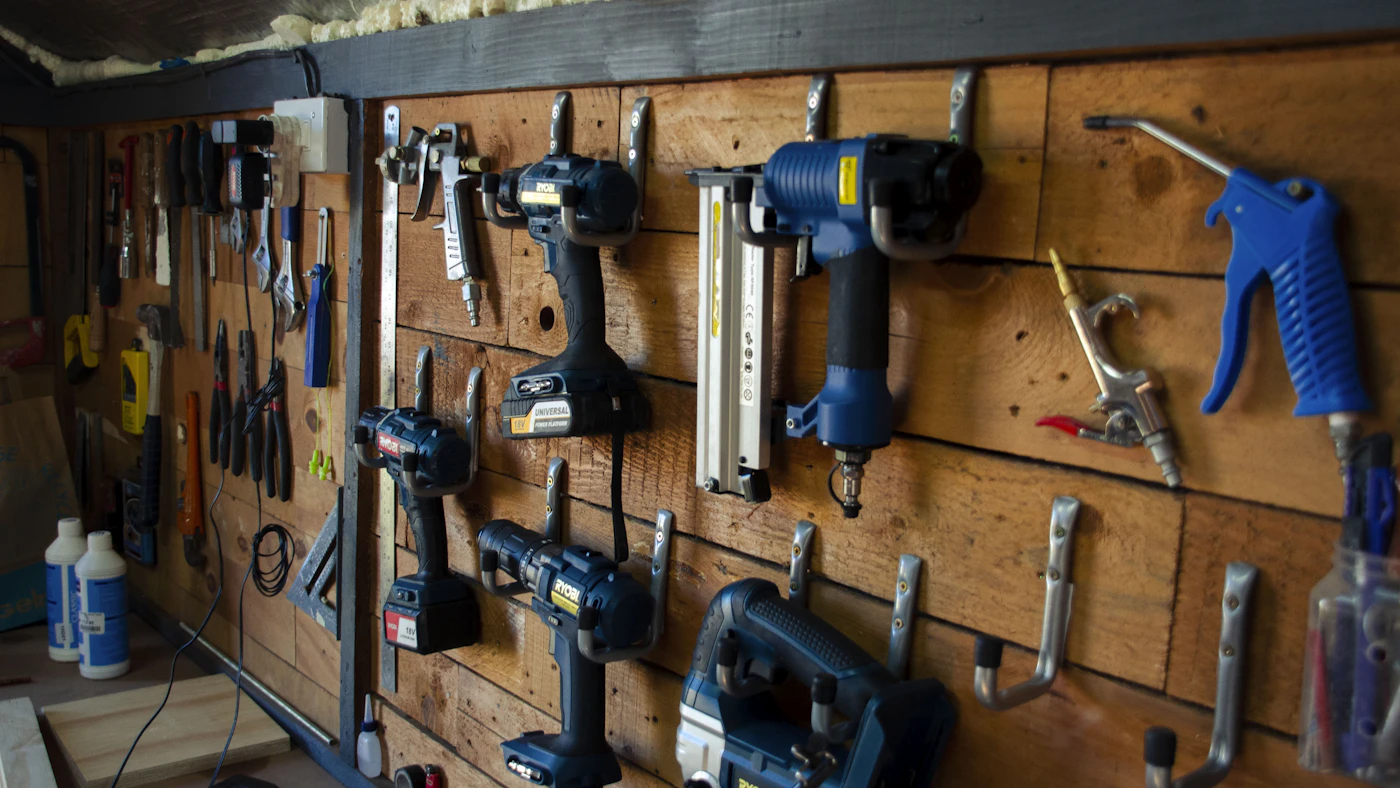
- Woodworking tools arranged on a workshop wall — Ryno Marais / Unsplash.
- Person working at a laptop in a shared office — Azwedo L.LC / Unsplash.
- Laptop and microphone on a brightly lit work desk — Azwedo L.LC / Unsplash.