Tampa Contractor: A Project Story System
Planning example: a proposed project-story system for a Tampa, Florida contractor, connecting verified scope, photographs and useful enquiry routes.

- Market
- Contractors
- Service
- Website Systems
- Year
- 2026
- Focus
- Content Marketing
A finished-room photograph gives a prospective customer an idea of the look. It rarely explains the contractor’s scope or how the job was organised. This Tampa, Florida planning example proposes a project-story system for a residential contractor that wants a more useful website portfolio.
Study status: This is a hypothetical planning example, not a completed client project. No measured client results are claimed.
The example brief: a portfolio with missing context
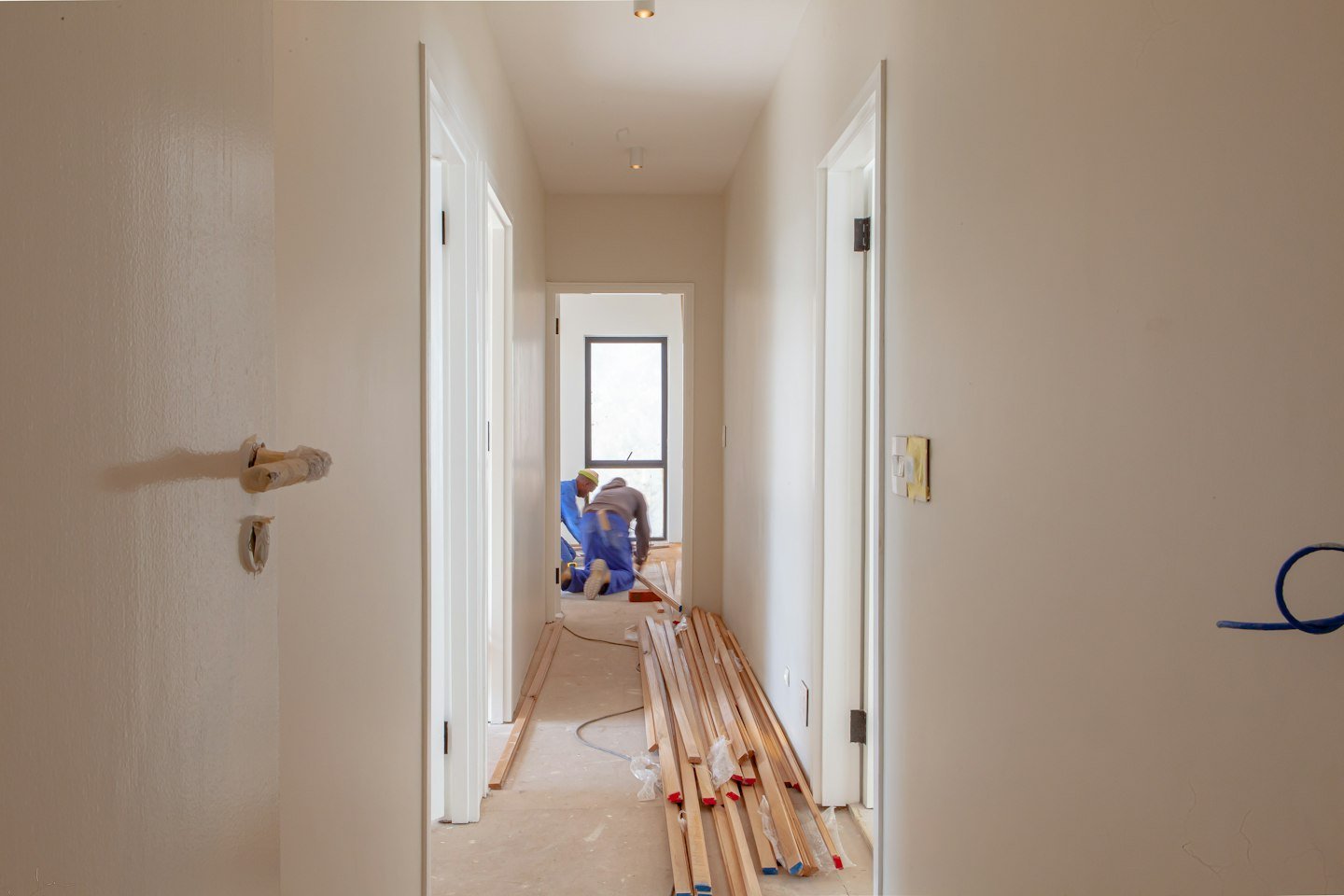
Imagine a fictional contractor with approved photographs from several residential projects. The existing assumed portfolio shows attractive spaces under labels such as “Residential project.” It does not distinguish construction work from design, specialist trades or finishes supplied by others. A visitor cannot tell which part of the result the company delivered.
First, the owner would approve a project record covering the customer’s original brief, the contracted scope, the company’s actual responsibilities, relevant collaborators and what was handed over. The team would check supporting documents privately. The published story would include only information the business has permission to share.
The aim would be to help a Tampa homeowner understand project fit before making contact. It would not be to make every image sound like a complete design-and-build commission. Where the contractor supplied only one part of a project, the story would say so clearly.
The proposed system: a repeatable record for every approved story

Next, a native project template would guide the editor through the brief, scope, approach and handover. Instead of a long promotional introduction, each story would answer a practical question: what was being changed, what responsibility did the contractor take, and what should a homeowner discuss for a similar project?
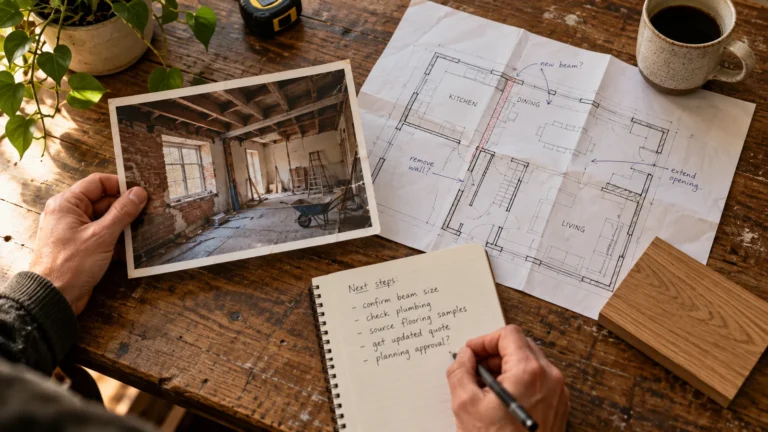
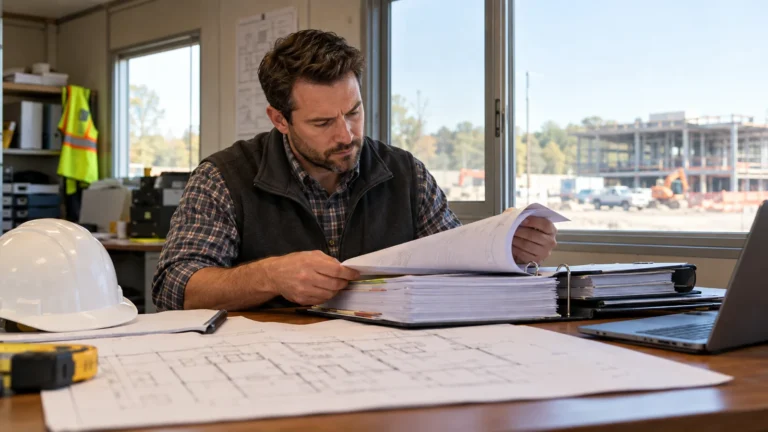
Before publishing, the editor would check captions and record photo permissions. The editor would use before-and-after images only when both show the same project and the owner can explain their context. The stock images on this page are independent illustrations; they are not a before-and-after sequence, completed Tampa work or photographs belonging to a RenForge client.
Finally, each real project story would link to the relevant service and a descriptive enquiry option, such as “Discuss a residential renovation.” The Tampa contractor case-study guide would support the editor, while the project-process guide would help explain what a prospective customer can expect next.
The publishing checks and proposed review cycle

An owner would approve the facts and permissions before publication. Another reader would check whether the contractor’s contribution is clear and whether any claim needs evidence. The mobile review would cover image sizing, readable captions, heading order and the route back to services. The team would publish each story for its usefulness, rather than a volume target.
The proposed operating process would assign one person to collect project facts at handover and another to approve the page. A periodic review would correct outdated service details and remove unsupported statements. Editors could then reuse the template without filling the portfolio with near-identical city pages.
Measurement would look at project-story visits, meaningful clicks to related services, suitable enquiries and the questions customers still ask. A customer mentioning a story is useful feedback, but it would not establish that the page alone caused a contract. This illustrative case reports no traffic, conversion or revenue gain.
Have genuine project records but no consistent way to publish them? Ask RenForge Studio about a project content system that fits the way your team works.
Sources and photo credits
The scenario and proposed decisions are original illustrations. These references support the general search, content and accessibility guidance; they do not validate outcomes for the fictional business.
- Google Search Central: creating helpful, reliable, people-first content
- Google Search Central: image SEO best practices
All photographs are illustrative stock images, not evidence of work by RenForge Studio or a roofing or contracting client. Used under the Unsplash License, which permits commercial use. Featured image: Lotus Design N Print. Section photographs, in order: Jessica Hearn, Bailey Alexander, Lotus Design N Print.