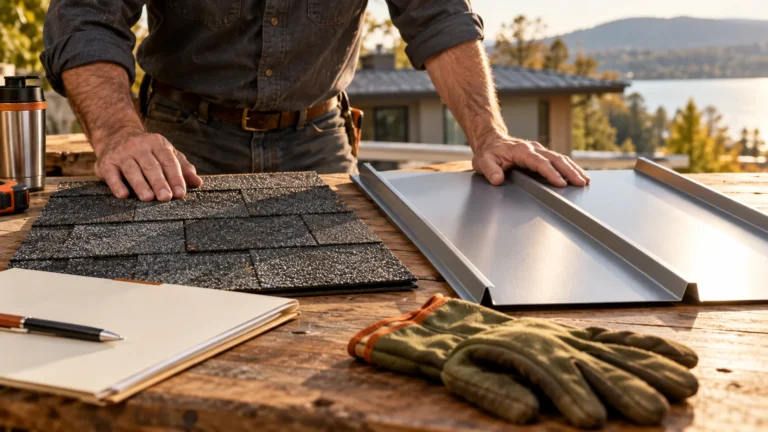
Tampa Roofing: A Project Evidence Library
Planning example: a proposed project evidence library for a Tampa, Florida roofing website, with honest captions, service links and review steps.

- Market
- Roofing
- Service
- Website Systems
- Year
- 2026
- Focus
- Content Marketing
A roofing gallery can look impressive while leaving the customer with the same question: is this company suitable for my job? This Tampa, Florida planning example proposes a small project library that explains the work behind the photographs. It shows a content system, not a completed roofing commission.
Study status: This is a hypothetical planning example, not a completed client project. No measured client results are claimed.
The example brief: attractive photos without an explanation
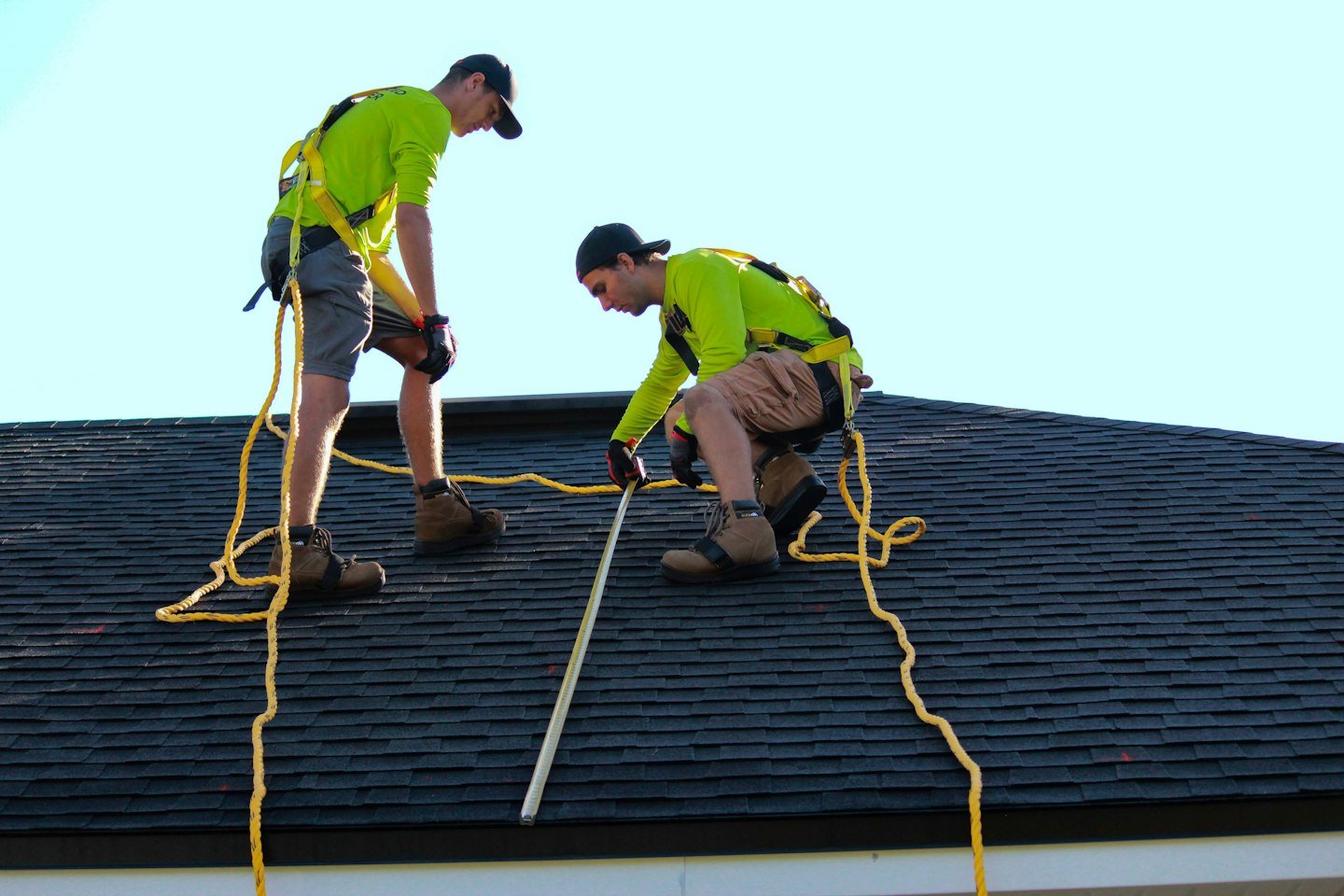
Assume a fictional roofer has permission to publish several residential projects, but its website places every image in one mixed gallery. A visitor sees roof finishes without knowing whether each job involved a local repair, a full replacement or another service. The office has no agreed process for adding the next project.
The first task would be an evidence inventory. For each potential story, the business would confirm its actual role, service, approximate location approved for publication, dates, permission and the facts it can substantiate. A photograph on its own would not establish workmanship, a warranty or a particular customer outcome.
The editorial brief would prioritise a few well-documented projects over a large anonymous gallery. It would exclude addresses, identifying details or customer comments that the business is not authorised to publish. If evidence is missing, that project would remain unpublished until the record is complete.
The proposed library: connect each project to a customer question
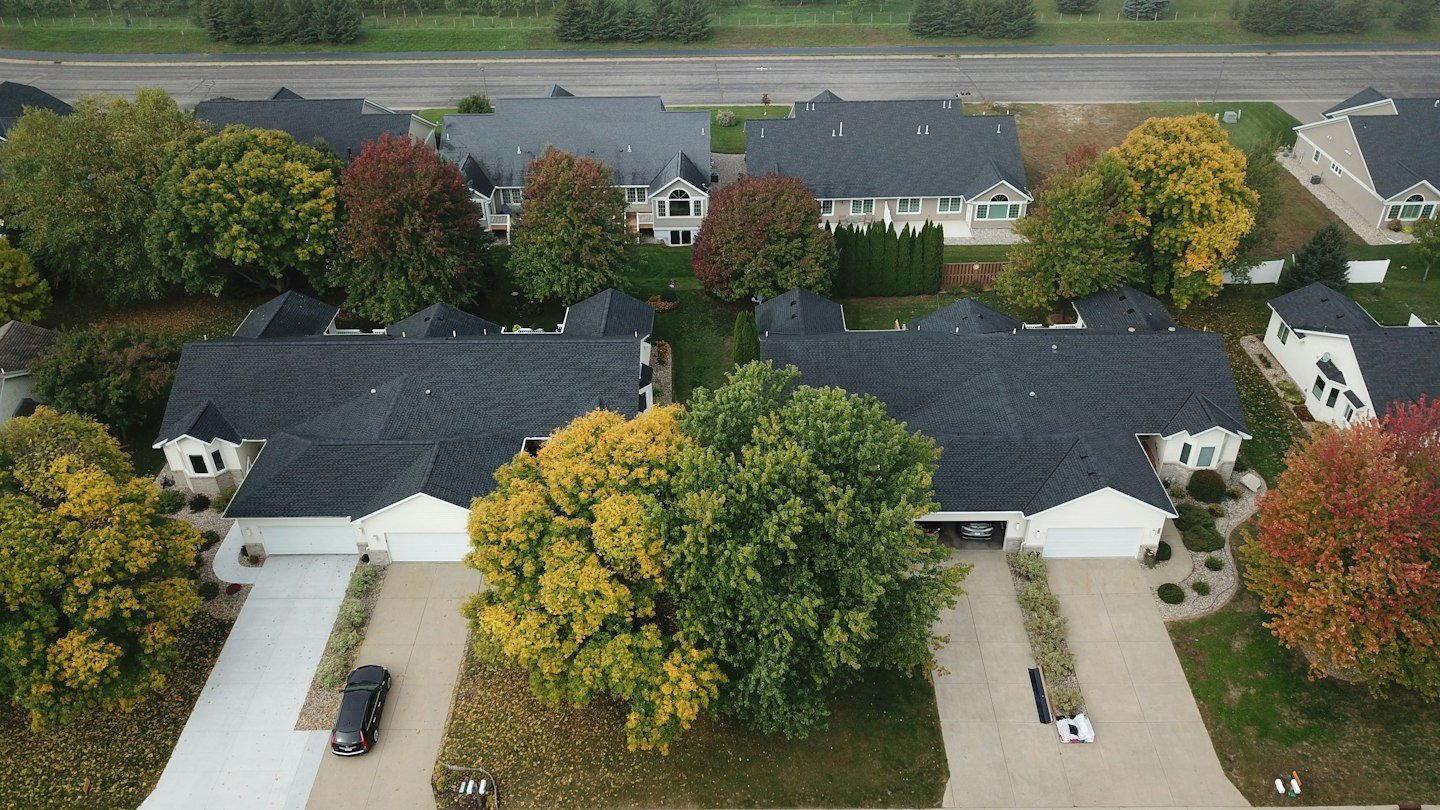
Each project page would explain the starting condition, the agreed scope, the company’s contribution and the practical handover. A repair story and a replacement story would answer different questions. Captions would describe what is visible and when the photograph was taken, without turning a visual sequence into an unverified performance claim.
A simple content record would hold the approved copy, original image, descriptive alternative text, permission status and related service page. The editor could then publish consistently through the RenForge content controls. Relevant links would help a homeowner move from a project example to the service information they need.
The project pages would sit alongside the repair and replacement page plan, rather than repeating the same sales introduction. The proposed library would use genuine business photographs when implemented. Every stock photograph on this illustrative page is labelled and is not evidence of an actual Tampa roofing job.
The review plan: judge clarity before judging traffic

Before launch, someone unfamiliar with the business would be asked to read a story and identify the work performed, who performed it, and what the next step would be for a similar request. If those answers are unclear, the story needs editing even if the page looks polished.
Image checks would cover readable captions, useful alternative text where appropriate, working links and mobile loading. The office would test the enquiry link from each story and confirm that the relevant project or service context can reach the person reviewing the request. A monthly owner review would keep descriptions and availability accurate.
For measurement, the business could track project-page visits, onward visits to relevant services, and enquiries that mention a project. These would be observations to interpret alongside enquiry suitability, not proof that a gallery alone caused a sale. This example has no real project data and makes no claim of higher rankings, leads or revenue.
Want to turn real roofing work into a useful content library? Speak with RenForge Studio about the project records and permissions you already have.
Sources and photo credits
The scenario and proposed decisions are original illustrations. These references support the general search, content and accessibility guidance; they do not validate outcomes for the fictional business.
- Google Search Central: creating helpful, reliable, people-first content
- Google Search Central: image SEO best practices
- Further reading — Matt Bertram, Search Engine Journal: local SEO strategies for trades
All photographs are illustrative stock images, not evidence of work by RenForge Studio or a roofing or contracting client. Used under the Unsplash License, which permits commercial use. Featured image: FilterGrade. Section photographs, in order: Raze Solar, K C, Lesia.