Tampa Roofing: From Google Listing to Enquiry
Planning example: a proposed Google listing, service-page and enquiry journey for a Tampa, Florida roofing business. Published by RenForge Studio.

- Market
- Roofing
- Service
- Website Systems
- Year
- 2026
- Focus
- SEO Strategy
A homeowner finds a roofer on Google, opens the website, and still cannot tell whether the company handles the work they need. For this Tampa, Florida example, the brief is to make that next decision easier. The proposed system connects an accurate business listing to a useful service page and a practical contact route.
Study status: This is a hypothetical planning example, not a completed client project. No measured client results are claimed.
The example brief: a listing and website that tell different stories
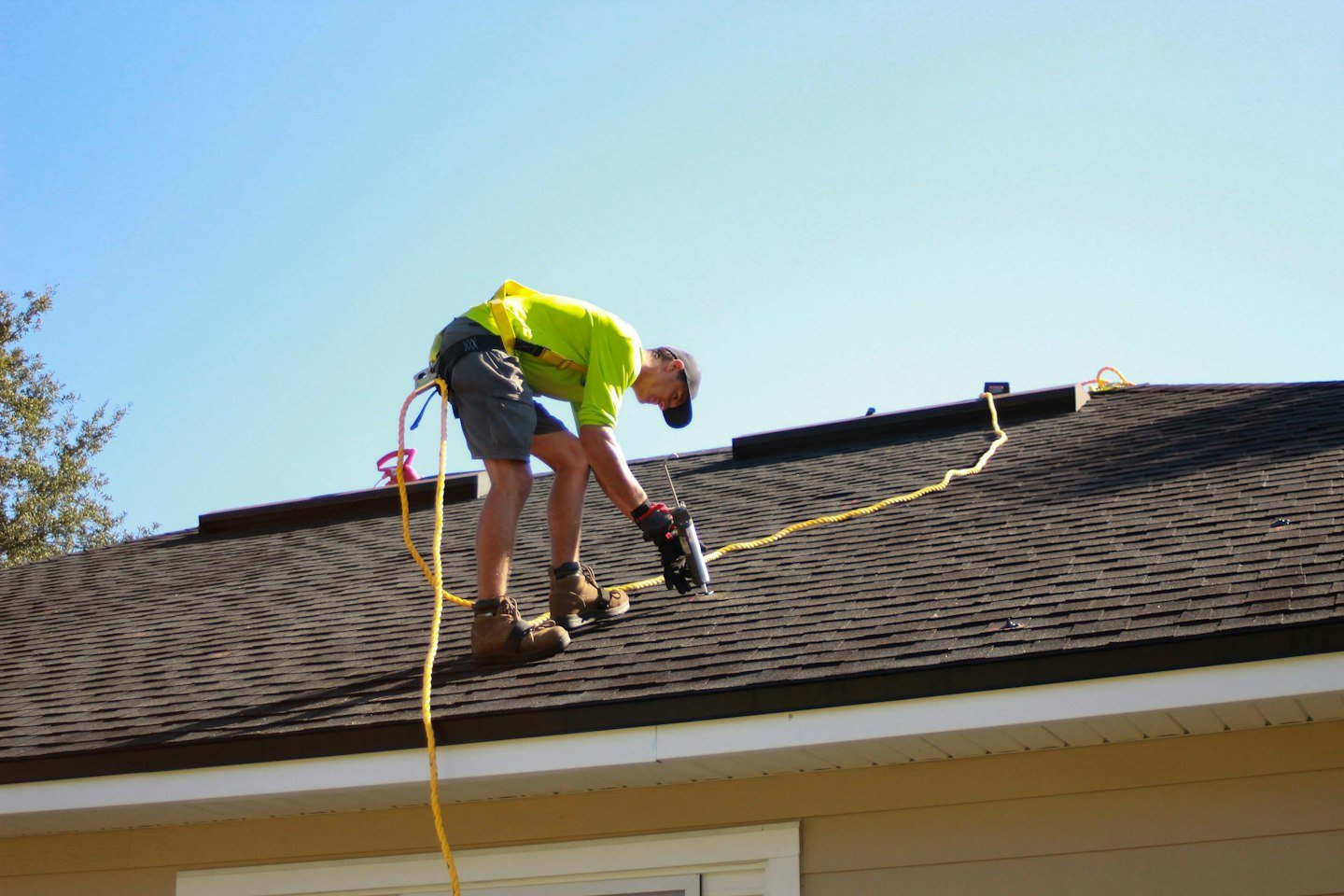
Assume a small residential roofing business serves an agreed part of Tampa. Its fictional listing links to a homepage that mixes repair, replacement and general construction. The footer has an old contact number, while a large “Get started” button opens a form without saying what happens next. These are scenario assumptions, not findings from a real business audit.
First, the plan starts with an owner-approved record of the trading name, telephone number, operating hours and actual coverage. The listing and website would draw from that record. Google asks businesses to represent themselves accurately; extra city names or an invented office would not solve a confusing customer journey.
Next, the team would prepare a short journey map: listing → relevant service → useful enquiry. It would identify who owns each item and what evidence supports it. A website project becomes easier to review when the owner can see the decisions on one page.
The proposed build: explain the service before asking for contact details

On the website, the main roofing page would state the business’s actual services and coverage in plain language. Repair and replacement would have separate pages where the company can provide distinct information. Each page would explain typical reasons to enquire, the assessment process, and the limits of what can be decided online.
For example, an obvious “Request a roofing assessment” link would lead to a short form asking for the property area, service needed, a brief description and a preferred contact method. Next, a confirmation would tell the customer that the office has their request and will review it during the stated operating hours. It would not promise a booking or an emergency response.
Before publishing, the business would supply real project photographs, permissions and approved descriptions before any proof section went live. The stock images in this illustration would never be presented as completed Tampa jobs. The supporting Tampa roofing listing guide explains the listing side of this route in more detail.
How the proposed system would be checked
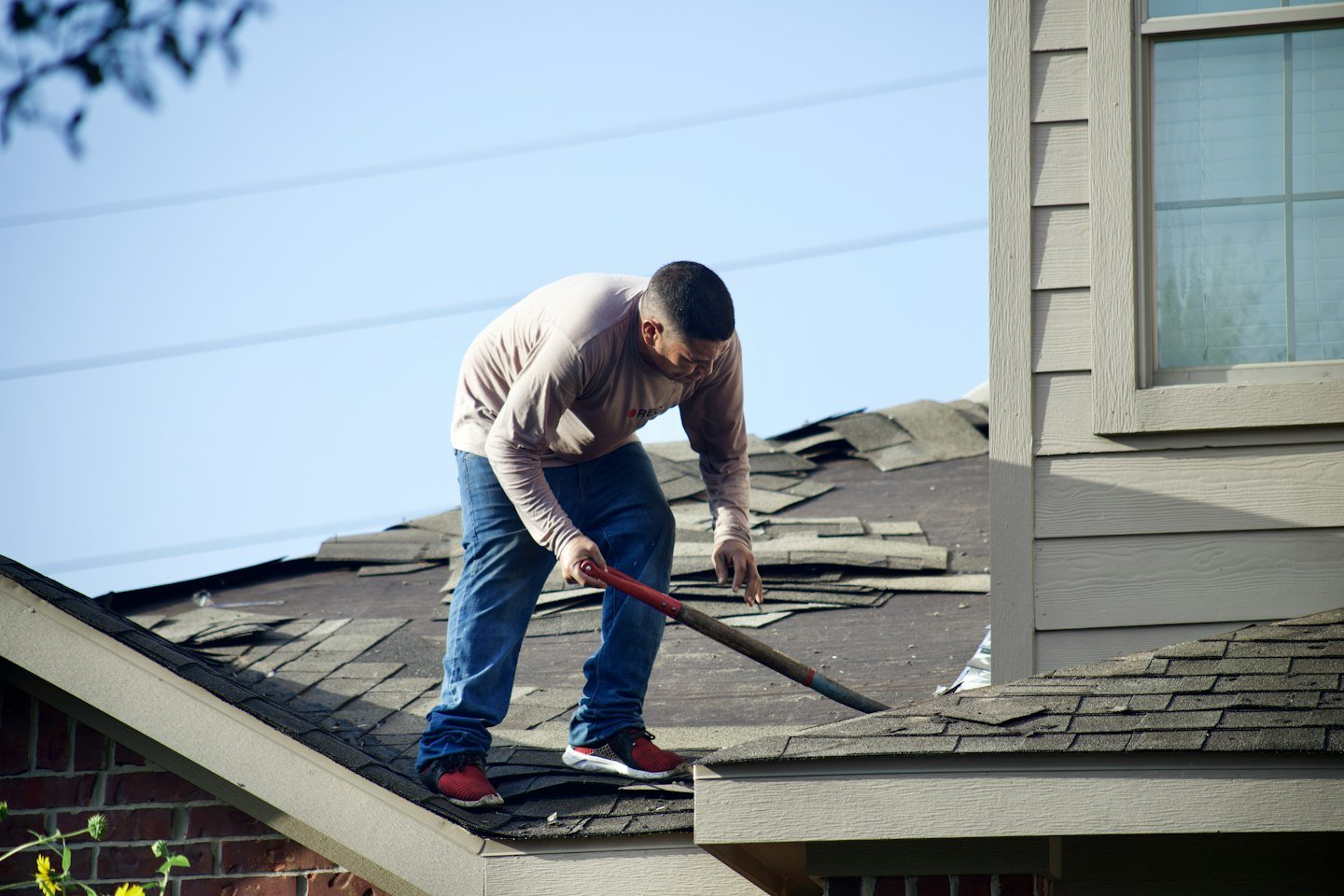
Before launch, the team would check practical tasks: the listing contact matches the site, each service button reaches the intended page, a visitor can complete the form with a keyboard, and the office receives a test request with its context intact. Mobile testing would include the confirmation screen and visible telephone link.
The owner would also record a baseline for website enquiries and their suitability. After launch, a simple weekly review would separate valid roofing requests, irrelevant requests and spam. For accurate tracking, count a successful form completion rather than a button click. Personal details should stay out of analytics reports.
After launch, the team would compare relevant pages and queries in Search Console over a meaningful period. A lower average position number is not the only useful outcome: the business also needs requests for services it actually provides. This illustration has no baseline or after-launch data, so it reports no measured improvement.
For a similar review, tell RenForge Studio about your roofing website. We can use your real coverage, current pages and enquiry process to define a practical scope.
Sources and photo credits
The scenario and proposed decisions are original illustrations. These references support the general search, content and accessibility guidance; they do not validate outcomes for the fictional business.
- Google Business Profile: guidelines for representing your business
- W3C Web Accessibility Initiative: forms tutorial
- Further reading — Matt Bertram, Search Engine Journal: local SEO strategies for trades
All photographs are illustrative stock images, not evidence of work by RenForge Studio or a roofing or contracting client. Used under the Unsplash License, which permits commercial use. Featured image: Breno Assis. Section photographs, in order: Raze Solar, J King, Zohair Mirza.